Olduvai Gorge destination landscape

Olduvai Gorge

Known worldwide as the Cradle of Mankind, Olduvai Gorge is where fossil discoveries in the Ngorongoro Conservation Area rewrote the story of human evolution.

Decorative Wave Shape

Overview

Olduvai Gorge (also spelled Oldupai, from the Maasai word for the wild sisal that grows here) is a roughly 48 km-long ravine cutting up to 90 m deep through the eastern Serengeti Plains, within the Ngorongoro Conservation Area and about 150 km (90 miles) from Arusha - most visitors stop here en route between Ngorongoro Crater and the Serengeti, exactly as this itinerary does. Known worldwide as the "Cradle of Mankind," the gorge is where Mary and Louis Leakey's excavations rewrote the story of human evolution: Mary's 1959 discovery of Zinjanthropus (Paranthropus boisei) and their son Jonathan's 1960 discovery of the Homo habilis type specimen, among more than 85 hominin fossils unearthed here to date. The gorge sits within the wider Ngorongoro Conservation Area, part of a UNESCO World Heritage Site since 1979 - though the famous Laetoli hominin footprints, often confused with Olduvai, are actually a separate site roughly 45 km away.

Scenery

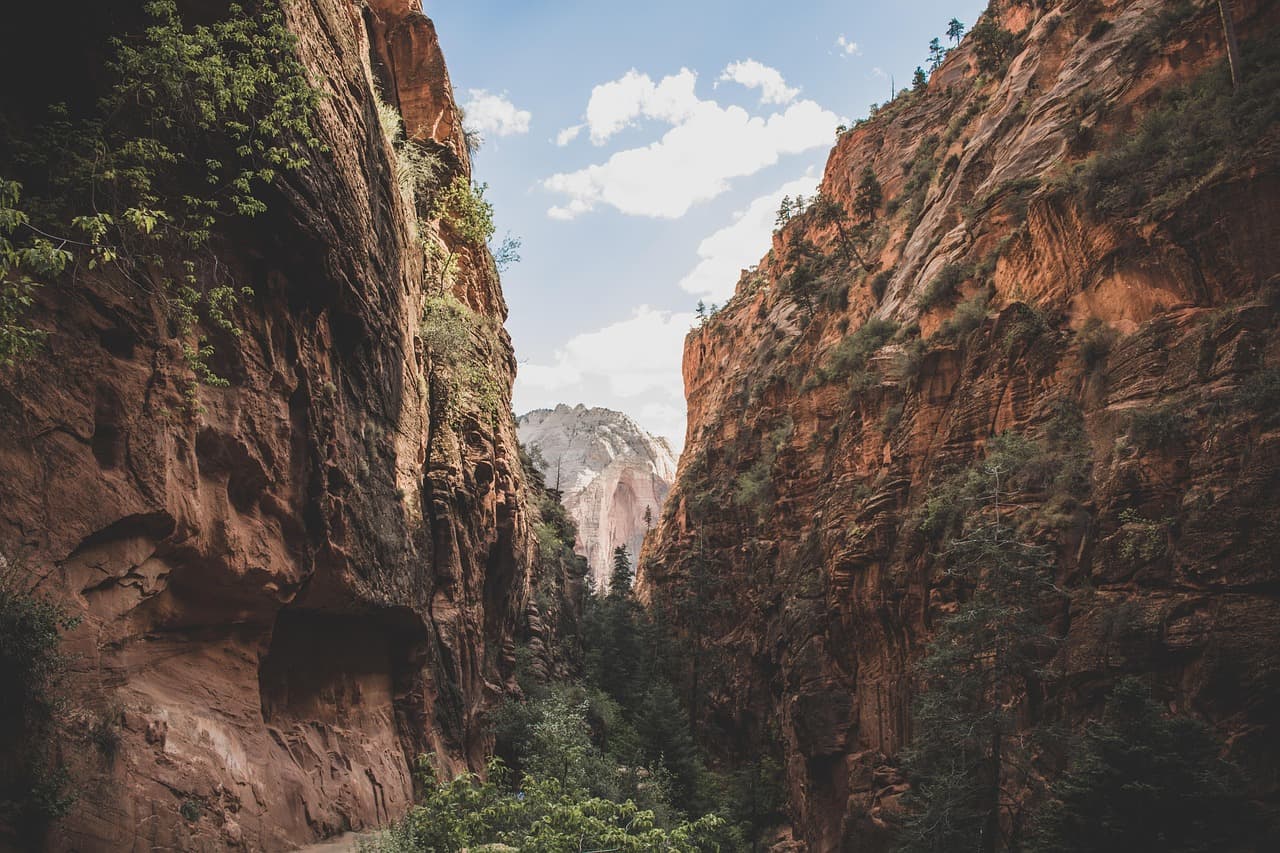
Olduvai Gorge cuts a dramatic scar across the otherwise flat eastern Serengeti Plains, its steep, layered walls exposing nearly two million years of volcanic ash and sediment in bands of grey, tan, and rust. The gorge splits into a Main and a Side Gorge, meeting at a confluence near the museum, with sparse dry-country vegetation - including the wild sisal the site is named for - clinging to its slopes. About 12 km northwest, the plains give way to the Shifting Sands, a striking crescent-shaped dune of black, magnetic volcanic ash from the Ol Doinyo Lengai volcano that migrates roughly 15-29 meters west every year.

Dry and rainy seasons

Climate

Olduvai Gorge sits on the same hot, dry eastern Serengeti Plains as its more famous parkland neighbor, so its climate mirrors the wider Serengeti's - dry-season days around 26C (79F) dropping to 14C (57F) at night, and slightly warmer wet-season days near 27C (81F) with nights around 15C (59F). Since most visits are a short stop on the way between Ngorongoro Crater and the Serengeti rather than an overnight, the bigger practical concern is the access road itself, which can turn slick and slow during the long and short rains.

Dry seasons:
June to October
Rainy seasons:
November to December (short rains) and March to May (long rains), with a dry transition in January-February
Rain clouds moving across an East African savanna
Activities

Things to do in Olduvai Gorge

The things to do at Olduvai Gorge lean toward history rather than wildlife - most Ganza Adventure itineraries build in an hour or two here on the drive between Ngorongoro Crater and the Serengeti to walk through the story of humanity itself.

Oldupai Gorge Museum
Tour the circular, Maasai boma-inspired museum, rebuilt in 2018, displaying fossils, stone tools, and reconstructions of early hominins including Homo habilis and Paranthropus boisei.
Gorge Viewpoint Talk
Take in views over the Main and Side Gorges from the museum's outdoor viewpoint, where guides walk visitors through the site's key fossil discoveries.
Shifting Sands Detour
With extra time, detour about 12 km to see this crescent-shaped dune of magnetic volcanic ash, which migrates 15-29 meters west every year.
Fossil & Artifact Displays
Examine casts and originals of some of the more than 85 hominin fossils unearthed at the site since the 1930s.

Best time to visit

Olduvai Gorge is a year-round stop rather than a seasonal destination, since a visit is short and doesn't depend on wildlife activity - the main consideration is road conditions on the drive in.

High season (Peak Tourist Periods):
June to October. The same dry window that draws visitors to Ngorongoro Crater and the Serengeti generally, since nearly every visitor sees Olduvai as a stop between the two, and dry roads make the drive faster and more comfortable.
Low season (Less Busy Months):
November to May. The rains can make the access road slower going, but the museum and viewpoint stay open and visits continue regardless of season.
Safari vehicle crossing open savanna at golden hour
Which animals could you encounter

Wildlife Spotlights

Fossils are the main event at Olduvai Gorge, not sightings - though as part of the Ngorongoro Conservation Area's shared-use plains, gazelle, zebra, and Maasai livestock alike are a common sight on the road in and out.

En Route Sightings
Gazelle, zebra, and the occasional giraffe are common on the open plains approaching the gorge, though sightings here are incidental rather than the destination's purpose.
Shared Land, Shared Herds
The Ngorongoro Conservation Area is one of the few places in Tanzania where wildlife and Maasai cattle, goats, and donkeys graze the same open plains, a distinctive feature of the NCA's multiple land-use model.
Itineraries

Related itineraries for Olduvai Gorge

Check similar available itineraries that include Olduvai Gorge or explore other famous destinations from our tailor-made itineraries.

From Baobabs to the Serengeti: Tanzania's Wildlife Journey Tanzania safari
  • 7 Days
    Tanzania
  • From Baobabs to the Serengeti: Tanzania's Wildlife Journey

  • This 7-day safari is the classic northern Tanzania circuit in one well-paced loop: Tarangire, Lake Manyara, the Ngorongoro Crater and two nights on the Serengeti's endless plains...

Ancient Tribes & Endless Plains: A Tanzania Safari Tanzania safari
  • 8 Days
    Tanzania
  • Ancient Tribes & Endless Plains: A Tanzania Safari

  • This 8-day safari goes further off the beaten path than our other Tanzania itineraries, adding a genuine cultural encounter to the classic wildlife circuit. After game drives through Tarangire's elephant...

The Ultimate Tanzania Safari: Ten Days Across the Northern Circuit Tanzania safari
  • 10 Days
    Tanzania
  • The Ultimate Tanzania Safari: Ten Days Across the Northern Circuit

  • This 10-day safari is built for travelers who want to go deeper, with extra time in Tarangire and three nights in the Northern Serengeti for a real shot at the seasonal Mara River crossings...

Beyond the Big Five: A Tanzania & Zanzibar Safari Tanzania safari
  • 12 Days
    Tanzania
  • Beyond the Big Five: A Tanzania & Zanzibar Safari

  • Twelve days that go deeper than a typical safari — starting with two nights immersed in Maasai culture at the foot of Kilimanjaro, then following the classic northern circuit through the Ngorongoro Crater...

Big Five, Bigger Horizons: A Tanzania & Zanzibar Adventure Tanzania safari
  • 14 Days
    Tanzania
  • Big Five, Bigger Horizons: A Tanzania & Zanzibar Adventure

  • This 14-day journey pairs Tanzania's classic northern circuit, including the central and northern Serengeti, with four nights on Zanzibar's white-sand coast: safari and beach in one trip...

  • View all itineraries

  • Discover our curated list of tailor-made itineraries suited to every travel preference.

Frequently asked questions

Lodges & Accommodation

The accommodation options include lodges in the budget, mid-range and high-end categories. You can make your choice during your booking.

A safari lodge is a nature-focused accommodation near wildlife-rich areas, offering a blend of comfort, modern facilities, eco-conscious design, and access to safari activities such as game drives and guided walks.

Absolutely! Safari accommodations prioritize safety, often featuring security measures such as fences, night guards, and protocols for wildlife encounters. If you specifically prefer a fenced lodge, please let us know when booking, and we will do our best to accommodate your request.

Most high-end and mid-range lodges provide electricity, usually through solar power or generators. Budget lodges may use lanterns or have limited generator hours. In more remote areas, lodges may not offer 24-hour electricity and may turn off their generators between midnight and dawn or while guests are on game drives. If you need 24-hour electricity, please specify this when booking, and our team will assist you accordingly.

Most mid-range and high-end lodges offer Wi-Fi, though it is often limited to common areas and may be slower in remote locations.

This depends on your group size and destination. In Uganda, peak season runs from December to February and June to August, with quieter months from March to May and September to November. In Tanzania, peak season runs from June to October, with a shorter peak in January and February; the long rains from March to May and short rains from November to December are quieter. We recommend booking at least six months ahead for larger groups and peak dates, especially July to September in the Northern Serengeti.

No. After receiving your booking request, our local partners have 24–48 hours to confirm availability or provide an alternative option.

Yes - all partner lodges have bathrooms in the rooms.

Usually our bookings include full board i.e. breakfast, lunch and dinner. If anything else is the case it will be clearly stated in your itinerary.

Customize your trip

We can help you create a bespoke itinerary tailored to your interests and budget.

Travel map and camera for planning a custom East Africa safari